Leave Your Message
 Chemical tempering glass has really become a key player in today’s architecture scene.
It’s not just about looks—although, let’s be honest, it does make buildings look sleek—it's also about safety and durability.
Industry folks say the global market for tempered glass is set to expand quite a bit.
That’s mainly because cities are growing like crazy, and there’s a big push for energy-efficient building materials.
Dongguan Fuxin Glass Technology Co., Ltd.—they’ve been all about cutting-edge glass solutions for over ten years—are leading the way in this whole thing.
They specialize in different types of display glass, like AG, AR, AF, and AM glass, and really emphasize how important chemical tempered glass is for making structures stronger, while still keeping designs flexible.
It’s pretty cool because it satisfies safety regulations and fits the trend of using bigger glass panels in modern architecture.
That means more natural light coming in and the chance to get a bit more creative with building designs.
As the industry keeps changing, it’s clear that chemical tempered glass is going to play a big role in shaping how our buildings look and feel in the future.
Chemical tempering glass has really become a key player in today’s architecture scene.
It’s not just about looks—although, let’s be honest, it does make buildings look sleek—it's also about safety and durability.
Industry folks say the global market for tempered glass is set to expand quite a bit.
That’s mainly because cities are growing like crazy, and there’s a big push for energy-efficient building materials.
Dongguan Fuxin Glass Technology Co., Ltd.—they’ve been all about cutting-edge glass solutions for over ten years—are leading the way in this whole thing.
They specialize in different types of display glass, like AG, AR, AF, and AM glass, and really emphasize how important chemical tempered glass is for making structures stronger, while still keeping designs flexible.
It’s pretty cool because it satisfies safety regulations and fits the trend of using bigger glass panels in modern architecture.
That means more natural light coming in and the chance to get a bit more creative with building designs.
As the industry keeps changing, it’s clear that chemical tempered glass is going to play a big role in shaping how our buildings look and feel in the future.
You know, chemical tempering is a pretty important part of modern glass making. It really boosts the strength and safety of glass that's used in building design. Basically, the process involves swapping out the smaller alkali ions in the glass with bigger ions from a chemical bath. This creates a tough surface that can handle more stress — think thermal shocks or impacts — without breaking a sweat. What's cool is that it also lets manufacturers make thinner glass panels without sacrificing strength. Recently, there was this study showing how chemically tempered glass is being used in innovative prestressed plate structures — a real testament to how versatile and effective this stuff is in today's architecture.
On another note, India just opened its very first tempered glass manufacturing plant. This isn’t just a big deal for the electronics scene but also shows how high-quality glass solutions are in hot demand. The new plant got a hefty investment of ₹800 crore, and it’s expected to create around 4,500 jobs, producing up to 25 million units each year. It’s all in line with market trends; the construction glass sector is booming, expected to hit a massive ₹11.7 lakh crore thanks to advances in smart glazing and digital design stuff. As the industry keeps evolving, adopting innovative techniques like chemical tempering is going to be key to meeting the new architectural challenges coming up.
| Dimension | Value |
|---|---|
| Typical Thickness | 4 - 19 mm |
| Compression Strength | Up to 180 MPa |
| Thermal Shock Resistance | Up to 300°C Difference |
| Weight Saving Compared to Laminated Glass | 10% - 15% |
| Market Usage Percentage in Modern Architecture | Approximately 25% |
| Common Applications | Curtain Walls, Facades, Shower Doors |
| Life Expectancy | 15 - 20 Years |
The demand for innovative display cover glass is on the rise, with an increasing number of consumers prioritizing device protection and aesthetic appeal. According to a market research report by Grand View Research, the global market for display glass is projected to reach USD 19.9 billion by 2025, growing at a CAGR of 6.4%. This growth is driven by the expanding use of glass covers in smartphones, tablets, and other electronic devices, where durability and visual clarity are paramount.
The features of anti-glare (AG) and anti-reflection (AR) coatings play a crucial role in enhancing the user experience. These treatments minimize reflections and reduce glare, providing an optimal viewing experience regardless of lighting conditions. A study conducted by the Touch Display Research indicates that devices equipped with AG and AR glass can increase screen visibility in bright environments by up to 50%. As a result, consumers are increasingly gravitating towards devices that incorporate such advanced display technologies, not only for functional advantages but also for improved aesthetics.
Incorporating a display cover glass not only upgrades the protective capabilities of devices but also elevates their overall design. High-quality glass covers offer a sleek and sophisticated look that appeals to modern consumers. As the industry moves towards innovation, manufacturers are continuously exploring advanced treatments to enhance the durability and visual impact of their displays, leading to a more enjoyable user experience.
: Chemical tempering is a process that enhances the strength and safety of glass by exchanging alkali ions with larger ions from a chemical solution, creating a durable surface layer that can withstand greater stress.
Chemically tempered glass offers enhanced safety, aesthetic flexibility, and structural integrity, with a strength increase of up to five times compared to standard glass, making it ideal for modern buildings.
Chemical tempering increases resistance to thermal shock and impact, allowing for the creation of thinner glass panels without compromising structural integrity.
India's first tempered glass manufacturing facility was inaugurated with an ₹800 crore investment, expected to create 4,500 jobs and produce 25 million units annually, reflecting the growing demand for high-performance glass solutions.
A well-designed glass structure utilizing chemical tempered glass can reduce energy costs by as much as 30%, enhancing both aesthetic appeal and sustainability.
It is used in large-scale facades for expansive glass walls, in partition walls for minimalist interior designs, and integrated with smart glass technology for energy-efficient building designs.
Architects should consider the thickness and treatment process of chemical tempered glass to optimize safety and outdoor visibility.
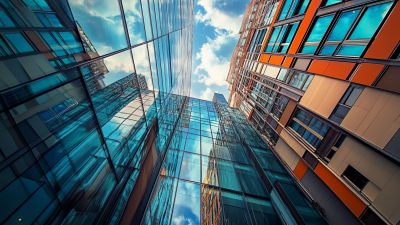
Its lightweight and strong characteristics allow for expansive glass walls that maximize natural light and create a seamless connection to the outdoors.
Its enhanced durability makes chemically tempered glass ideal for high-traffic areas, where partitions can offer both functionality and aesthetic appeal.
The demand is driven by advancements in smart glazing, digital design precision, and the need for high-performance glass solutions in modern architectural designs.
Chemical tempering glass has really become a game-changer in modern architecture. It’s amazing how this process—treating glass with specific chemicals—can significantly boost its strength and durability. Honestly, it’s a huge plus for building design because it looks great and holds up well, even under tough conditions. Compared to regular tempered glass, chemically tempered options kinda offer better safety features and can handle extreme environmental factors better. That means your structures not only look good but also last longer, which is pretty important.
At Dongguan Fuxin Glass Technology Co., Ltd., we truly get how important these innovations are. We’ve been pouring our hearts into research and innovation in the glass world for over ten years. Our expertise covers all sorts of glass types, including display glass, which fits perfectly with the rising demand for chemical tempering. This opens up so many exciting new possibilities for modern buildings. Looking ahead, I genuinely believe that the ongoing improvements in chemical tempering techniques will play a major role in shaping not just the safety, but also the creative aspects of architecture in the future.