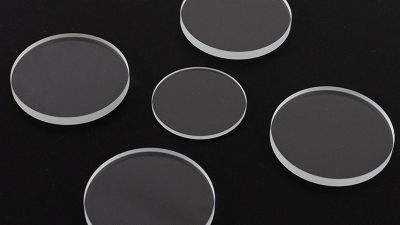
You know, as keeping things hygienic becomes more and more important—whether at home or in public spaces—people are really eyeing new materials that can help out. One thing that's been making waves lately is antibacterial glass. It’s honestly a bit of a game-changer when it comes to keeping surfaces cleaner and cutting down on germs. I read somewhere that, according to Market Research Future, the global market for antibacterial glass is projected to hit around $34 billion by 2025. That just shows how much folks want surfaces that can actively fight bacteria and other nasty microbes. And honestly, with all the recent global health scares, it makes total sense—people are more concerned about safety everywhere we go.
What’s cool about antibacterial glass is that it uses this advanced tech that can actually stop harmful germs from growing on its surface. Some studies, like those from the Journal of Applied Microbiology, even say that surfaces treated with these antibacterial agents can kill up to 99.9% of bacteria. That’s pretty impressive! It’s not just in hospitals or schools anymore—more everyday stuff like smartphones and home fixtures are getting in on it too. Adding these kinds of materials isn’t just about health, though. It’s part of a bigger trend toward smarter, more sustainable building solutions. Architects and developers are definitely taking notice and looking for ways to boost hygiene without sacrificing style or functionality.
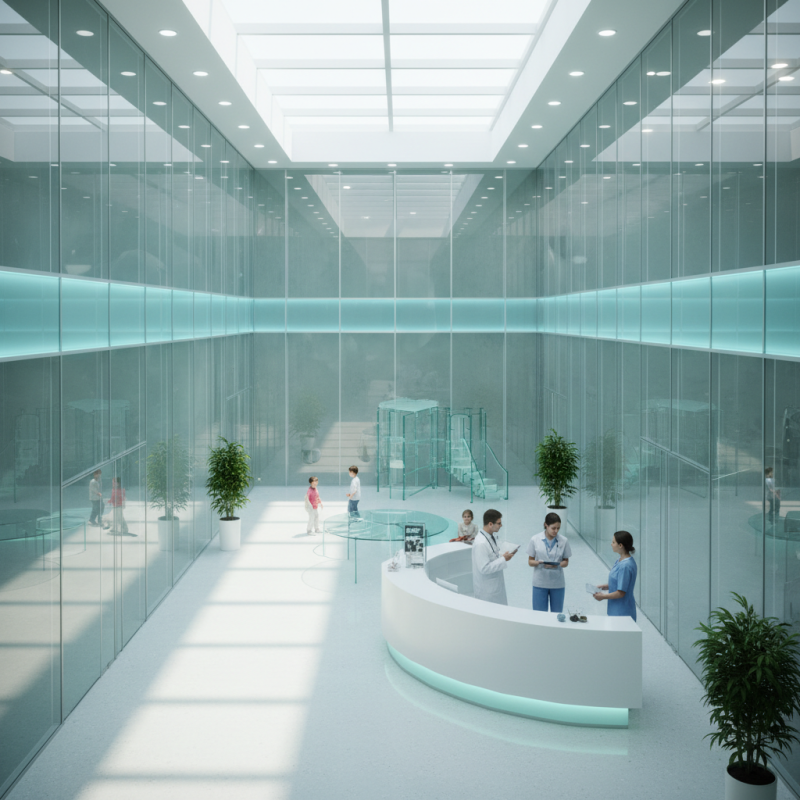
What is Antibacterial Glass and How Does It Work?
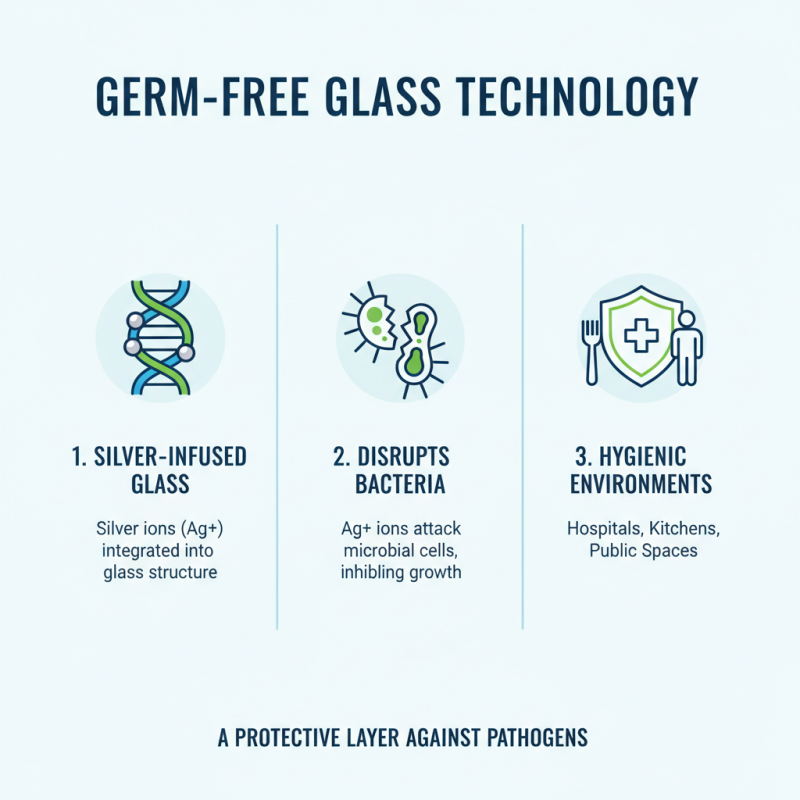
Antibacterial glass is a revolutionary material that incorporates advanced technology to combat microbial growth on its surface. This glass is typically treated with antimicrobial agents that prevent bacteria, viruses, and fungi from adhering and proliferating. The effectiveness of antibacterial glass lies in its unique composition, which disrupts the cellular processes of microbes, rendering them inactive upon contact. This feature makes it an ideal choice for environments requiring stringent hygiene standards, such as hospitals, kitchens, and public spaces.
The mechanism behind antibacterial glass is often based on the use of silver ions or other similar agents that are embedded within the glass matrix. These ions slowly release over time, creating a hostile environment for microorganisms. The continuous leaching of these antimicrobial agents helps maintain a cleaner surface with minimal maintenance. Additionally, antibacterial glass is easy to clean and resistant to staining, further enhancing its functionality in daily use. This innovative material not only promotes better hygiene but also contributes to the overall safety of spaces occupied by individuals.
Benefits of Antibacterial Glass
The Science Behind Antibacterial Properties in Glass Materials
The science behind antibacterial properties in glass materials primarily revolves around the incorporation of various additives that react to microbial presence. Silver ions, for instance, are often used due to their well-documented antibacterial qualities. When integrated into glass, these ions can disrupt the metabolic processes of bacteria, effectively preventing their growth and proliferation. This transformative technology can be particularly beneficial in environments that require high standards of hygiene, such as hospitals, kitchens, and public spaces. The glass not only serves a functional purpose but also offers an additional layer of protection against harmful pathogens.
When considering the implementation of antibacterial glass, here are a couple of tips to keep in mind. First, ensure that the glass surfaces are cleaned regularly; while antibacterial properties can minimize microbial growth, they do not eliminate the need for routine cleaning. Second, assess the specific requirements of your space. Different settings may benefit from varying levels of antibacterial protection, so understanding your environment and needs will guide you in selecting the right materials to enhance hygiene effectively.
The future potential of antibacterial glass extends beyond mere surface protection, as ongoing research continues to explore novel compounds and technologies. This innovation not only enhances safety but also contributes to sustainability efforts, as more manufacturers are focusing on environmentally friendly practices in the creation of these advanced materials. Adopting antibacterial glass could pave the way for safer, cleaner living and working environments.
Key Benefits of Using Antibacterial Glass in Various Settings
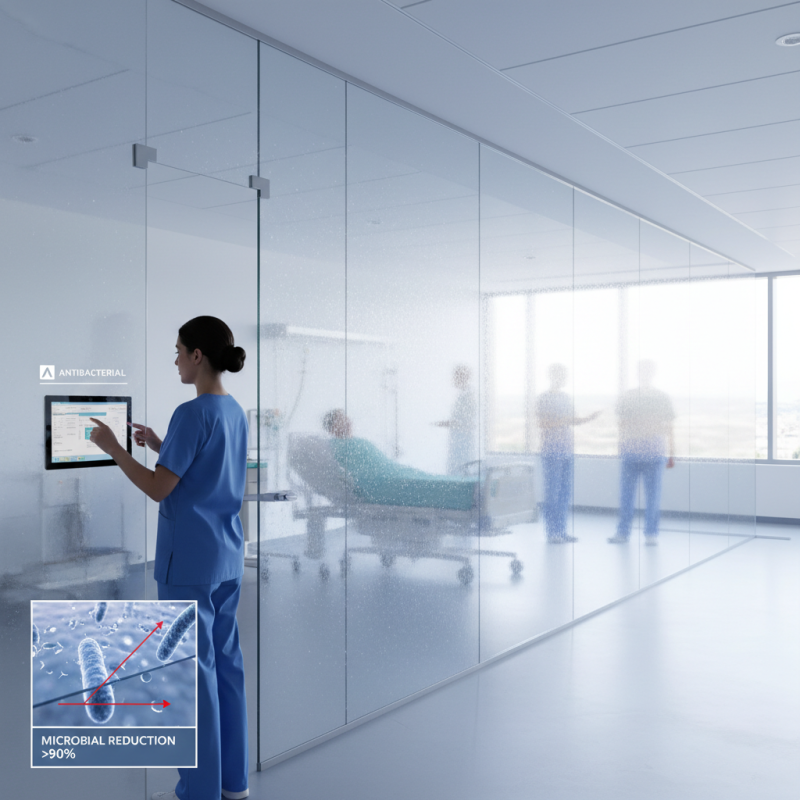
Antibacterial glass is rapidly gaining traction across various industries due to its proven ability to enhance hygiene in shared and high-traffic environments. A report from the Journal of Hospital Infection highlights that surfaces treated with antibacterial properties can reduce microbial growth by more than 90%. This impressive efficacy makes antibacterial glass an ideal choice for settings such as hospitals, kitchens, and public facilities, where maintaining cleanliness is paramount. Additionally, the integration of this technology helps to minimize the risk of cross-contamination, a critical factor in preventing healthcare-associated infections.
In commercial settings, the use of antibacterial glass in doors, windows, and counters can significantly improve customer confidence. Research indicates that consumers are increasingly selecting establishments that demonstrate a commitment to health and safety, with 75% expressing that they would prefer places featuring high-tech hygiene solutions. Furthermore, this innovation not only enhances hygiene but also reduces the frequency of cleaning required, ultimately saving costs in labor and cleaning supplies.
Tips: To maximize the benefits of antibacterial glass, consider implementing regular maintenance checks to ensure its lasting effectiveness. Additionally, combining antibacterial glass with other sanitation practices, like UV light sterilization, can provide an extra layer of protection in environments such as schools or daycare centers where health concerns are ever-present. Lastly, educating staff and users about the advantages of antibacterial glass can foster a culture of cleanliness and awareness, vital for the overall health of any community.
Comparative Analysis: Antibacterial Glass vs. Traditional Glass
Antibacterial glass offers significant advantages over traditional glass, particularly in settings where hygiene is paramount. One of the primary benefits of antibacterial glass is its ability to inhibit the growth of harmful bacteria and pathogens on its surface. This is achieved through a specially designed coating or the incorporation of materials that actively kill or inhibit microbial activity. As a result, antibacterial glass is increasingly utilized in hospitals, restaurants, and public facilities, where cleanliness is critical to preventing the spread of infections.
In contrast, traditional glass, while versatile and widely used, lacks these protective properties. The smooth surface of conventional glass can easily harbor bacteria and other microorganisms, necessitating frequent and rigorous cleaning to maintain hygiene standards. Additionally, traditional glass does not provide any proactive defense against microbial growth, making it less suitable for environments where sanitation is essential.
By opting for antibacterial glass, facilities can not only reduce the frequency of cleaning but also enhance safety for their occupants, leading to a cleaner and healthier environment overall.
Applications of Antibacterial Glass in Healthcare and Beyond
Antibacterial glass is rapidly gaining traction in various sectors, particularly within the healthcare industry, due to its ability to inhibit the growth of harmful bacteria and pathogens. According to a report published by the National Institutes of Health, surfaces treated with antibacterial technology can reduce microbial growth by over 99% in controlled environments. This significant reduction in bacterial presence is crucial in hospitals where infection rates can dramatically impact patient outcomes. Applications of antibacterial glass are not limited to medical facilities; they extend to educational institutions, public transportation, and even food service areas, creating safer environments for everyday use.
In healthcare settings, antibacterial glass is increasingly used for touchscreens, window panes, and work surfaces in laboratories. A study by the Journal of Hospital Infection indicated that installing antibacterial surfaces in hospitals could lead to a 30% decrease in hospital-acquired infections. This indicates a promising shift towards not just improved hygiene but also enhanced overall patient safety. Furthermore, as hospitals strive for higher safety standards, the demand for such materials is likely to increase.
Tips: When considering the implementation of antibacterial glass in your facility, it is vital to evaluate the specific areas with the highest foot traffic or contamination risk. Regular maintenance and cleaning protocols should also be adapted, as antibacterial technology works best in conjunction with traditional hygiene practices. Additionally, combining antibacterial surfaces with effective ventilation systems can further bolster efforts to improve indoor air quality and reduce disease transmission.
Maintenance and Care for Antibacterial Glass Products
When it comes to maintaining antibacterial glass products, attention to detail in care and cleaning practices is essential. Antibacterial glass not only enhances hygiene by reducing the presence of harmful bacteria but also requires specific maintenance to ensure its effectiveness remains intact. To start, regularly clean the glass surface using a mild detergent mixed with warm water. Avoid abrasive cleaners or sponges that can scratch the surface, potentially compromising its antibacterial properties.
Tips for maintaining antibacterial glass include using a soft microfiber cloth to gently wipe the surface, which helps prevent scratching while effectively removing dirt and grime. It's also advisable to avoid exposing the glass to extreme temperatures, as rapid temperature changes can affect its integrity. Additionally, ensure that you do not use any harsh chemicals or acidic cleaners, as they can diminish the antibacterial layer over time.
Another important aspect is to inspect your antibacterial glass products regularly for any signs of wear or damage. If you notice any scratches or chips, consider replacing the item to maintain optimal hygiene standards. By following these maintenance guidelines, you can ensure that your antibacterial glass products continue to provide the intended benefits while remaining in excellent condition for daily use.
Discover the Benefits of Antibacterial Glass and How It Enhances Hygiene
| Feature |
Description |
Benefits |
Maintenance Tips |
| Antimicrobial Properties |
Inhibits the growth of bacteria and other pathogens. |
Improved hygiene, reduced infections. |
Clean with mild soap and water; avoid harsh chemicals. |
| Durability |
High resistance to scratches and breakage. |
Longer lifespan, cost-effectiveness. |
Wipe with a soft cloth; regularly check for damage. |
| Aesthetic Appeal |
Available in various designs and finishes. |
Enhances the visual appeal of spaces. |
Avoid abrasive cleaners to maintain finish. |
| Environmental Benefits |
Often made from recycled materials. |
Reduced carbon footprint, eco-friendly. |
Recycle glass when disposing. |
| Versatility |
Suitable for various applications like doors, countertops, and more. |
Functional for both residential and commercial use. |
Follow specific care instructions for each application. |
Future Trends and Innovations in Antibacterial Glass Technology
The future of antibacterial glass technology is promising, as innovations continue to emerge that enhance their effectiveness and broaden their applications. One significant trend is the integration of nanotechnology, which allows for the creation of surfaces that can effectively kill bacteria upon contact. This technology utilizes nanoparticles that can be embedded into the glass structure, resulting in a product that not only resists microbial growth but also maintains clarity and aesthetic appeal. The application of such advanced materials can be seen in various settings, from healthcare facilities to public transport systems, potentially transforming environments into safer spaces.
Another area of development is the customization of antibacterial glass for specific industries. As demand for hygienic surfaces grows, manufacturers are exploring tailored solutions that cater to various needs, such as tempering the glass for increased durability or applying coatings that enhance its antibacterial properties. This bespoke approach is particularly beneficial in sectors like food service and pharmaceuticals, where hygiene is paramount. Furthermore, the evolution of smart glass technology, which can change its properties in response to environmental conditions, is also on the horizon. Imagine a glass surface that can not only resist bacteria but can also adapt to light and temperature changes, making it even more relevant for modern architecture and everyday products. These innovations point to an exciting future for antibacterial glass, where safety and functionality seamlessly converge.
Exploring Market Trends: The Rise of Customized Ultra White Tempered Glass Panels in Modern Architecture
The architectural landscape is rapidly evolving, with contemporary designs increasingly favoring materials that embody both aesthetic appeal and functional integrity. At the forefront of this trend is the rise of customized ultra white tempered glass panels, which meld superior clarity with robust durability. Ultra white glass, characterized by its low iron content, showcases an exceptional level of transparency—around 30% greater than standard glass. This enhanced clarity allows architects and designers to create stunning visual experiences, where natural light can flood spaces without the distortion of color.
Tempered glass complements the beauty of ultra white glass with its impressive strength and resistance to impact. By subjecting ordinary glass to high temperatures followed by rapid cooling, tempered glass undergoes a transformation that significantly elevates its physical properties. This combination ensures that structures not only look striking but can also withstand environmental challenges, making them ideal for modern architectural applications. The demand for customized solutions in ultra white tempered glass panels reflects a broader market trend towards personalization in design, allowing architects to tailor installations to fit specific aesthetic and functional requirements. As this trend continues to gain momentum, it signifies the evolving preferences of both designers and consumers in the quest for innovative and high-performance building materials.
FAQS
: Regularly clean the glass surface using a mild detergent mixed with warm water and use a soft microfiber cloth to gently wipe the surface, avoiding abrasive cleaners or sponges that could scratch it.
Yes, avoid using harsh chemicals, acidic cleaners, or abrasive sponges, as these can diminish the antibacterial properties and scratch the surface of the glass.
Inspect your antibacterial glass products regularly for signs of wear or damage, and replace any items that show scratches or chips to maintain hygiene standards.
Yes, exposing antibacterial glass to extreme temperatures or rapid temperature changes can affect its integrity, so it's advisable to avoid such conditions.
Future trends include the integration of nanotechnology for bacteria-killing surfaces, customization for specific industries, and the evolution of smart glass technology that can adapt to environmental conditions.
Industries such as healthcare, food service, and pharmaceuticals could greatly benefit from advancements in antibacterial glass technology due to their focus on hygiene and safety.
Nanotechnology allows for the embedding of nanoparticles into the glass structure, creating surfaces that not only resist microbial growth but also maintain clarity and aesthetic appeal.
Yes, the evolution of smart glass technology aims to create surfaces that can adapt to light and temperature changes while also resisting bacteria, improving functionality for modern applications.
Conclusion
Antibacterial Glass is an innovative material designed to enhance hygiene by reducing microorganisms on its surface. It works through embedded antibacterial agents that actively eliminate bacteria upon contact, making it an effective solution for environments requiring stringent cleanliness, such as hospitals and kitchens. The science behind its properties involves the incorporation of substances that disrupt bacterial cell functions, ultimately leading to their demise.
The key benefits of using Antibacterial Glass include its ability to mitigate the spread of infections, easy maintenance, and durability compared to traditional glass. A comparative analysis reveals that while traditional glass can harbor bacteria, Antibacterial Glass actively combats microbial growth, making it a preferable choice in healthcare settings and beyond. As the demand for hygienic surfaces grows, future trends and innovations in Antibacterial Glass technology promise even more effective solutions to meet global health standards.